Strengthening rural livelihoods through women-led agriculture

Kitchen gardens improved nutrition and community resilience
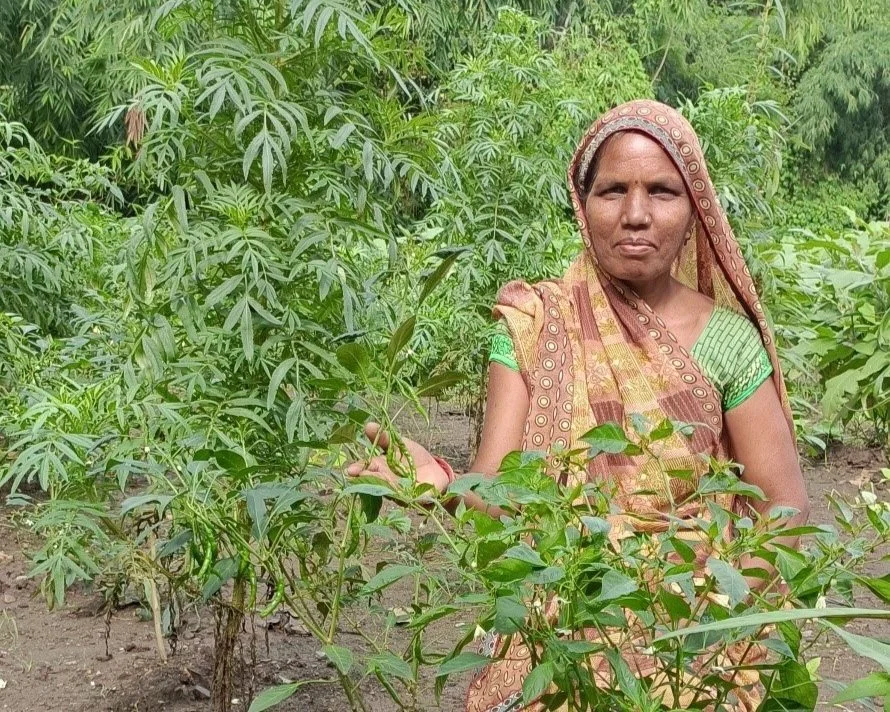
In Vyadhar village in Gujarat’s Narmada district, Nirmalaben Rakeshbhai Tadvi has turned a small kitchen garden into a source of nutrition, independence, and inspiration for her family and community. Alongside managing household responsibilities, livestock, and agricultural work, she began exploring more sustainable ways to provide healthy food for her family while reducing dependence on chemically treated produce from local markets.
Through the CottonConnect REEL Rights & Life Skills Education Programme, Nirmalaben gained access to knowledge and support that strengthened both her confidence and understanding of health, wellbeing, and sustainable agriculture. What began as a personal effort to grow safer food at home has evolved into a powerful example of women-led change within rural farming communities.
Key outcomes

  • Increased access to fresh, chemical-free vegetables for her family

  • Improved awareness of health, nutrition, and sustainable farming

  • Greater confidence and participation in community learning

  • Encouraged interest in kitchen gardening among other women farmers

The challenge

Like many women in rural farming households, Nirmalaben balanced multiple responsibilities every day, including agricultural work, animal husbandry, and household care. At the same time, concerns about the quality and safety of vegetables available in local markets were growing. Reliance on externally purchased produce often meant limited control over how food was grown or the chemicals used during cultivation.

Access to agricultural information and training opportunities was also limited. Much of Nirmalaben’s time was focused on family responsibilities, leaving little opportunity to engage in wider learning or community activities.

Climate-related challenges, including periods of heavy rainfall and drought, added further pressure on household food security and daily life.


The approach

Through participation in the CottonConnect REEL Rights & Life Skills Education Programme, Nirmalaben was introduced to sustainable growing practices and broader topics related to health, nutrition, and wellbeing. She developed and maintained a kitchen garden producing seasonal vegetables including cabbage, brinjal, chilli, cowpea, tomato, and yam. The garden was cultivated without synthetic chemical inputs, allowing her family to access fresh and nutritious produce directly from their home.

Alongside practical agricultural knowledge, the programme also created opportunities for women to connect, exchange experiences, and build confidence through community learning and discussion.


The kitchen garden has created benefits that extend well beyond food production alone.

The impact

Improved household nutrition

Growing vegetables at home has given Nirmalaben’s family regular access to fresh, chemical-free produce while reducing dependence on market purchases. The diversity of crops grown in the garden has also helped improve household nutrition and food security throughout the year.

Greater confidence and awareness

Participation in the programme encouraged Nirmalaben to engage more actively with other women and learn about issues linked to health, wellbeing, and informed decision-making. This increased confidence has strengthened her role not only within her household but also within the wider community.

Inspiring community change

As neighbours and friends observed the success of her kitchen garden, interest in sustainable home gardening and chemical-free food production began to grow among other women in the village. Through her example, Nirmalaben is helping demonstrate how small-scale, locally led actions can support healthier families and more sustainable rural communities. Access to practical training and ongoing learning opportunities gave her greater confidence in managing her farm and encouraged her to share her experiences with neighbouring farmers interested in improving their own practices.

“When I take care of myself and make informed choices, it not only benefits me but my entire family as well.”

Nirmalaben Rakeshbhai Tadvi, Gujarat, India

Looking ahead

Nirmalaben’s journey shows how access to knowledge, practical support, and community engagement can empower women to play a leading role in sustainable agriculture and household wellbeing. As more women farmers gain opportunities to learn, share experiences, and adopt sustainable practices, kitchen gardens and small-scale food production systems can contribute to stronger rural livelihoods, improved nutrition, and healthier farming communities.