Improving biodiversity through agroforestry

350,000 trees planted across farming communities
Across cotton-growing communities, trees play an essential role in protecting ecosystems, improving soil health, supporting biodiversity, and strengthening climate resilience. Recognising the close connection between agriculture and the natural environment, CottonConnect launched the One Farmer One Tree campaign during 2021–22 to encourage farmers to plant and protect trees on and around their farms.
Implemented across programme villages in India, the initiative aimed to strengthen biodiversity, support sustainable livelihoods, and encourage long-term environmental stewardship through simple, locally led action.
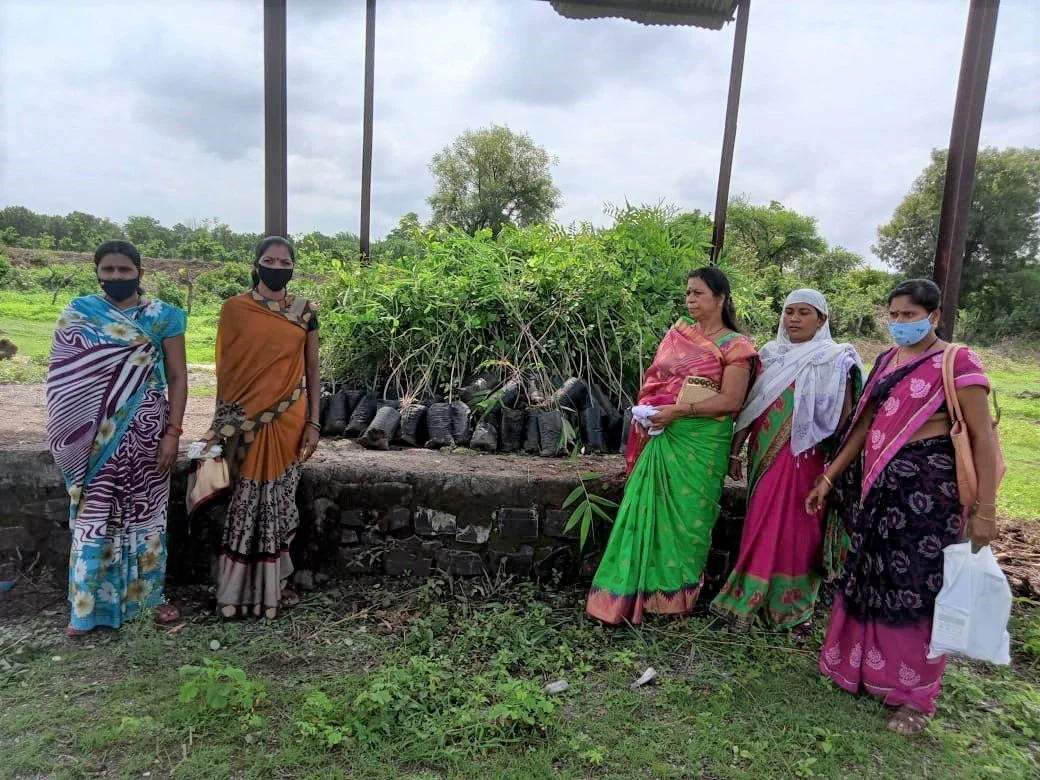
World Soil Day

Key outcomes

  • Trees planted across programme villages in India

  • Increased biodiversity on and around farms

  • Improved awareness of environmental conservation practices

  • Greater adoption of agroforestry and nature-based farming approaches

The challenge

Agricultural landscapes are increasingly under pressure from soil degradation, biodiversity loss, and the effects of climate change. In many farming communities, declining tree cover contributes to increased soil erosion, reduced habitat for birds and pollinators, lower ecosystem resilience, and greater exposure to extreme weather conditions.

At the same time, many farmers face growing challenges linked to declining natural resources and reduced environmental stability within agricultural systems. While sustainable farming practices can help address these issues, restoring biodiversity at landscape level requires broader community participation and long-term engagement.


The approach

The One Farmer One Tree campaign encouraged programme farmers to plant trees across farms, community lands, and household boundaries with support from local partner organisations and local authorities. The initiative promoted tree planting as a practical way to reduce soil erosion, improve biodiversity, support carbon sequestration, and strengthen food security and farm resilience.

Farmers planted a wide range of fruit, timber, and native tree species, including mahogany, mango, custard apple, banyan, jackfruit, and moringa. In some villages, farmers also adopted the traditional seed ball technique – a low-cost, low-intervention planting method using clay, cow dung, and seeds to restore vegetation in degraded areas.

Alongside the practical activities, the campaign also focused on building awareness around environmental conservation and the long-term value of integrating trees within farming systems.


The campaign generated environmental, social, and agricultural benefits across participating communities.

The impact

Strengthening biodiversity

The planting of trees helped create habitats for birds and other beneficial species, contributing to improved biodiversity on and around farms. Increased bird populations also supported natural pest management, as many bird species feed on crop pests within agricultural landscapes.

Supporting soil and climate resilience

Tree planting helped stabilise soil and reduce erosion caused by wind and heavy rainfall. Improved vegetation cover also contributed to healthier ecosystems and increased resilience under changing climate conditions. By absorbing and storing carbon dioxide, the campaign additionally supported wider climate mitigation efforts.

Creating long-term community value

Fruit and timber trees introduced opportunities for future income generation and improved household food security. Equally important was the growing sense of environmental responsibility within programme communities, with many farmers recognising tree planting as an investment in the future of both agriculture and local ecosystems.

“I planted a mango tree on my farm and I know that though it’s a small gesture it will have great impact. The tree will be a blessing to my family, it will give fruit to us and shelter to all the birds.”

Savita Atmaram Yadavkule, Cotton Farmer, Village Ambali

Looking ahead

The One Farmer One Tree campaign shows how simple, community-led actions can create meaningful environmental impact over time. As farmers continue integrating trees into agricultural landscapes, agroforestry and biodiversity-focused initiatives are helping create healthier ecosystems, more climate-resilient farms, and stronger rural communities. By combining sustainable agriculture with environmental restoration, these efforts contribute to a more balanced relationship between farming and nature for future generations.